
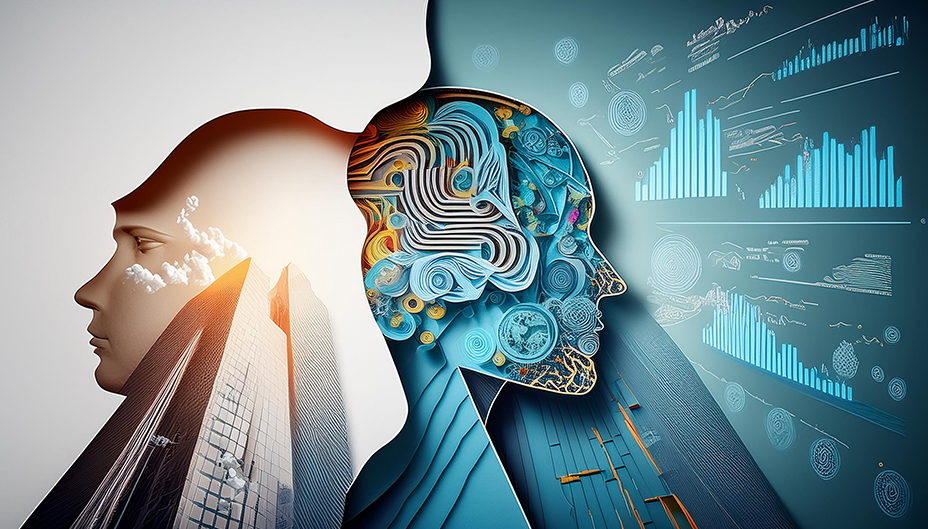
The AI Tipping Point
We are living through one of the most significant technological transformations in human history. Artificial Intelligence has moved from research labs and science fiction into the very fabric of our daily lives and business operations. At Pabington, we believe understanding this revolution isn’t just for tech enthusiasts—it’s essential knowledge for everyone navigating the modern world.
This comprehensive analysis explores how AI is fundamentally reshaping industries, creating new opportunities while posing important questions about the future of work, privacy, and human-machine collaboration.
Chapter 1: The State of AI in 2024 – Beyond the Hype
From Experimental to Essential
AI has reached a critical maturity point where it’s no longer a “nice-to-have” but a core business necessity. The convergence of several factors has accelerated this transition:
Computing Power Evolution:
- Quantum computing advancements enabling complex AI models
- Edge AI bringing intelligence to devices everywhere
- Cloud AI services making advanced capabilities accessible to all businesses
Data Explosion:
- Global data generation expected to reach 181 zettabytes by 2025
- Improved data collection and processing capabilities
- Synthetic data addressing privacy and scarcity issues
Algorithmic Breakthroughs:
- Transformer architectures revolutionizing natural language processing
- Generative AI creating original content across modalities
- Reinforcement learning achieving superhuman performance in complex tasks
Chapter 2: Industry-Specific Transformations
Healthcare: The AI Doctor Will See You Now
The healthcare sector is experiencing perhaps the most profound AI-driven transformation:
Diagnostic Revolution:
- AI systems outperforming human radiologists in detecting cancers
- Real-time analysis of medical images with 99%+ accuracy
- Early detection of diseases through pattern recognition in medical data
Drug Discovery Acceleration:
- AI reducing drug development time from years to months
- Predicting molecular interactions and drug efficacy
- Personalized medicine based on genetic profiling
Operational Efficiency:
- AI-powered hospital management systems
- Predictive analytics for patient flow optimization
- Automated administrative tasks freeing up medical staff
Real-World Impact:
- Johns Hopkins AI system reducing sepsis deaths by 20%
- AI-assisted surgery achieving better outcomes than human-only procedures
- Mental health chatbots providing 24/7 support to millions
Finance: The Algorithmic Economy
The financial sector has embraced AI like few other industries:
Risk Management 2.0:
- Real-time fraud detection preventing billions in losses
- AI-driven credit scoring expanding financial inclusion
- Market risk prediction with unprecedented accuracy
Trading and Investments:
- Algorithmic trading dominating global markets
- AI-powered portfolio management outperforming human managers
- Sentiment analysis driving investment decisions
Customer Experience:
- AI chatbots handling 85% of customer interactions
- Personalized financial advice at scale
- Automated wealth management for the masses
Manufacturing: The Smart Factory Revolution
Industrial AI is creating the fourth industrial revolution:
Predictive Maintenance:
- AI predicting equipment failures with 95% accuracy
- Reducing downtime by up to 50%
- Optimizing maintenance schedules and resource allocation
Quality Control:
- Computer vision systems detecting defects invisible to human eyes
- Real-time production line optimization
- Supply chain intelligence predicting disruptions
Workforce Transformation:
- Human-robot collaboration becoming standard
- AI-assisted design and prototyping
- Skills evolution toward AI supervision and management
Chapter 3: The Generative AI Explosion
Beyond ChatGPT: The Creative AI Revolution
Generative AI has captured public imagination, but its business impact is just beginning:
Content Creation:
- AI writing assistants creating marketing copy, reports, and articles
- Video generation from text prompts revolutionizing media production
- Music and art creation expanding creative possibilities
Software Development:
- AI coding assistants increasing developer productivity by 40%
- Automated testing and debugging
- Natural language to code translation
Business Applications:
- AI-powered presentations and reports
- Automated customer service responses
- Personalized marketing at scale
Chapter 4: The Human Impact – Jobs, Skills, and Society
Navigating the AI Employment Landscape
The impact on employment is complex and multifaceted:
Job Transformation:
- 85 million jobs displaced by 2025, but 97 million new roles created
- Routine tasks automated, creative and strategic roles amplified
- Human-AI collaboration becoming the new normal
Skills Evolution:
- AI literacy becoming as essential as computer literacy
- Emotional intelligence and creativity increasing in value
- Continuous learning becoming non-negotiable
Economic Implications:
- Productivity gains potentially adding $15 trillion to global economy
- Changing nature of work and compensation models
- Geographic redistribution of economic opportunity
Chapter 5: Ethical Considerations and Governance
Building Responsible AI Systems
As AI becomes more powerful, ethical considerations take center stage:
Bias and Fairness:
- Addressing algorithmic bias in hiring, lending, and policing
- Ensuring diverse training data and development teams
- Creating transparent and accountable AI systems
Privacy and Security:
- Balancing data utility with individual privacy
- Protecting against AI-powered cyber attacks
- Establishing data sovereignty in global AI systems
Regulatory Landscape:
- EU AI Act setting global standards
- National AI strategies emerging worldwide
- Industry self-regulation and ethical guidelines
Chapter 6: The Future Trajectory – 2025 and Beyond
What’s Next in the AI Revolution
The pace of AI advancement shows no signs of slowing:
Technological Frontiers:
- Artificial General Intelligence (AGI) moving from theory toward reality
- Brain-computer interfaces creating new interaction paradigms
- AI scientific discovery accelerating human knowledge
Industry Evolution:
- AI-first companies dominating new markets
- Traditional industries completely reimagined
- New business models emerging around AI capabilities
Societal Impact:
- Education transformed by personalized AI tutors
- Healthcare becoming predictive and preventive
- Urban planning optimized through AI simulation
Chapter 7: Getting Started with AI Adoption
Practical Steps for Businesses and Individuals
For Businesses:
- Start with specific problems, not technology
- Build AI literacy across the organization
- Develop data strategy as foundation for AI success
- Create ethical guidelines before deployment
For Individuals:
- Develop AI augmentation skills
- Stay informed about AI developments
- Understand privacy implications of AI services
- Participate in shaping AI policy and regulation
Conclusion: Embracing the AI Future
The AI revolution is not a distant future—it’s happening now, transforming every aspect of our lives and work. While challenges around ethics, employment, and regulation remain significant, the potential benefits for humanity are enormous.
At Pabington, we believe that understanding and engaging with AI development is crucial for everyone. The choices we make today about how we develop, deploy, and govern AI will shape our collective future for generations to come.
The most successful organizations and individuals will be those who approach AI not as a threat to be feared, but as a tool to be mastered—a partner in solving humanity’s greatest challenges and unlocking our fullest potential.