
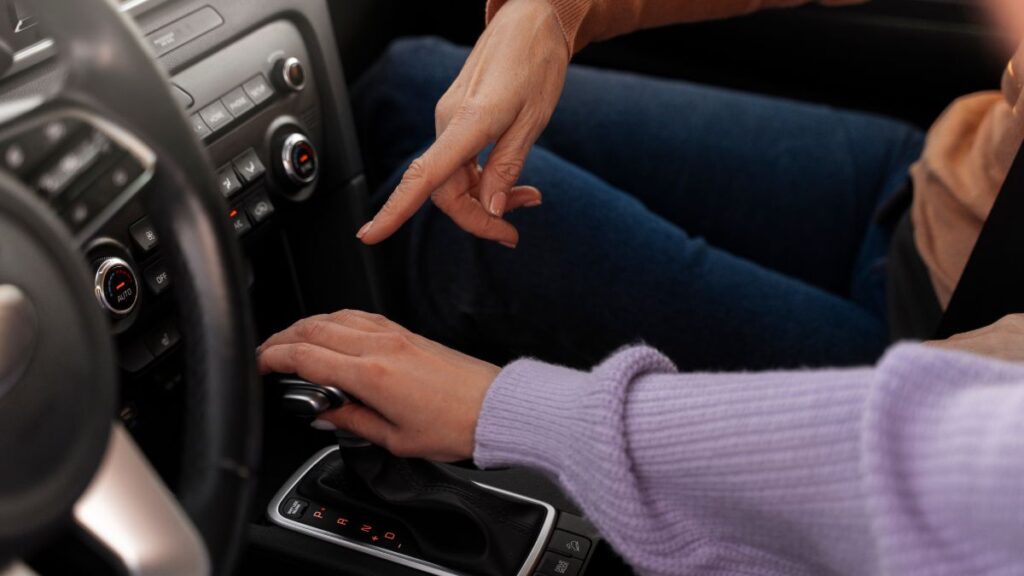
In manual transmissions, switching 2nd is a pivotal skill that blends control, efficiency, and safety on the road. Whether you’re a new driver learning the basics or an experienced motorist refining your technique, understanding the nuances of shifting into second gear can dramatically improve your driving experience. This article explores switching 2nd from first to second, explains the rationale behind the timing, and provides clear, actionable steps to execute this maneuver with confidence. From urban commutes to highway merges, the ability to shift into 2nd gear smoothly reduces wear on the clutch, improves engine responsiveness, and keeps you in the optimal power band for everyday driving. Let’s dive into the mechanics, techniques, and best practices that make switching 2nd a routine part of responsible driving.
Switching 2nd: Understanding the Basics of Second Gear
The second gear is the bridge between the lowest speed range and higher road speeds. Switching 2nd allows the engine to maintain a usable RPM while the vehicle begins to accelerate more aggressively after the initial takeoff. In practice, the goal of second gear is to maintain torque without over-revving or lugging the engine. This section covers the essential concepts that underpin switching 2nd, including clutch control, throttle modulation, and the role of engine RPM in determining the right moment to shift.
What second gear does for your vehicle
Second gear multiplies torque, enabling smoother acceleration without excessive throttle input. It’s particularly important when you’re starting from a standstill on a slope, merging into faster traffic, or passing through city streets where stop-and-go conditions demand frequent gear changes. A clear understanding of switching 2nd helps you avoid stalling, keep engine load within a comfortable range, and preserve clutch life by minimizing abrupt gear changes.
Key factors in the timing of switching 2nd
Timing is influenced by weight, incline, road conditions, and engine characteristics. For most vehicles, you’ll shift into second once you’ve built meaningful momentum in first and the engine is ready to deliver torque at a higher speed without lugging. In the early stages of learning switching 2nd, it’s common to wait for a steady engine note and a corresponding increase in vehicle speed. As you gain experience, you’ll develop a feel for the exact moment when the shift feels most natural and efficient.
Safe Techniques for Switching 2nd Gear in Different Driving Scenarios
One of the most important aspects of switching 2nd is applying consistent, safe technique across a variety of driving contexts. This section provides practical steps you can follow, along with tips for handling common situations such as urban traffic, highway on-ramps, and hilly terrain. The goal is to cultivate a routine that minimizes stress and maximizes control during switching 2nd.
Urban driving and stop-and-go situations
In busy city streets, you’ll frequently need to transition between gears at low speeds. When approaching a green light or navigating a roundabout, use a smooth clutch release and an even throttle to transition from 1st to 2nd without abrupt gear engagement. Practice the feel of the bite point so that your switching 2nd is seamless and predictable for other road users.
- Maintain a calm, steady pedal pressure on the clutch as you lift off the gas.
- Engage second gear at a low but steady speed to avoid lugging the engine.
- Aim for a soft transition with minimal pitch or torque spike.
Highway ramps and merging
On ramp acceleration often requires timely switching 2nd to reach the desired speed without waiting for the engine to scream in lower gears. Listen for the engine sound and watch for the speed indicator to ensure you shift before the RPM limit is reached. A confident, gradual release of the clutch reduces jerking and helps you merge smoothly into faster traffic.
| Situation | Recommended RPM Range | Notes on Switching 2nd |
|---|---|---|
| Light city traffic | 1,200–2,000 | Shift when you can accelerate smoothly without lugging. |
| Highway merge | 2,000–3,000 | Shift earlier if you need quick acceleration onto the highway ramp. |
| Climbing hills | 1,500–2,500 | Keep torque on the wheels; avoid downshifting too late. |
| Downshifting for deceleration | 2nd to 1st as needed | Heel-toe technique may be used by experienced drivers; otherwise, prioritize smoothness. |
Downshifting considerations
Sometimes you’ll need to downshift to switching 2nd and then to 1st during steep descents or quick stops. Proper rev-matching can help you avoid a jolting transfer of power. If rev-matching is new to you, focus on a clean, uphill climb first and gradually integrate this technique as you build confidence in switching 2nd.
Common Mistakes in Switching 2nd and How to Avoid Them
Even experienced drivers encounter pitfalls when performing switching 2nd. Awareness of the most common mistakes can help you practice more effectively and improve your overall driving quality. This section highlights typical errors and offers practical corrections to ensure consistent, smooth shifts.
Rushing the shift
Hurrying the transition from first to second often leads to missed gears, grinding, or a momentary loss of power. Take the time to align the gear engagement and release the clutch smoothly. Remember that precision, not speed, yields consistent switching 2nd results.
Over-revving or lugging the engine
Shifting too early or too late can cause the engine to over-rev or lug, reducing efficiency and stressing the drivetrain. Teach yourself to listen for the engine’s tone and feel for the point at which torque is available without excessive RPMs. Your aim is a balanced, stable engine speed during switching 2nd.
Clutch slipping and engagement issues
A heavy clutch or poor release technique can lead to slipping or jerky engagement. Practice the clutch bite point, maintain steady throttle, and avoid sudden pedal movements during switching 2nd.
Inconsistent throttle modulation
Inconsistent throttle can produce hesitation or a stumble when shifting. Keep your throttle input smooth, especially while balancing clutch release with gear engagement. Regular practice makes your switching 2nd more predictable across different road surfaces.
Maintenance, Longevity, and the Role of Switching 2nd in Transmission Health
Proper technique in switching 2nd not only improves daily driving comfort but also contributes to the long-term health of your transmission. This section focuses on how your shifting habits impact clutch wear, gear synchronizers, and overall drivetrain longevity. A disciplined approach to shifting reduces wear and helps you maintain peak performance for miles to come.
Clutch wear and shifting habits
The clutch is a wear component that can be sacrificial when shifts are abrupt or hurried. A smooth, deliberate transition into second gear minimizes clutch slip and extends its life. Practicing switching 2nd at controlled speeds helps you avoid unnecessary clutch heat and wear.
Synchronizers and gear longevity
Modern manual transmissions rely on synchronizers to smooth gear engagement. Gentle, precise shifts support synchronizer health and reduce the risk of gear grinding. This, in turn, reduces micro-damage to gears that could accumulate over years of switching 2nd.
Maintenance checklist for drivers who shift frequently
Regular inspections and mindful driving keep your transmission happy. Use the following simple checklist:
- Check for clutch fluid level and any signs of leaks.
- Listen for unusual noises during shifts and address them early.
- Maintain correct tire pressure and weight distribution to minimize drivetrain load.
- Follow the vehicle’s service intervals for transmission oil (if applicable) and inspect synchronizers as part of routine maintenance.
Transitioning to use in different climates
In colder climates, the transmission oil can be thicker, which affects shift feel. Allow the engine to reach operating temperature before pushing for aggressive switching 2nd. In hot climates, ensure adequate cooling and avoid prolonged high-load driving that can overheat the transmission. Adapting your switching 2nd technique to climate conditions helps preserve the system’s health.
Conclusion about switching 2nd
Mastery of switching 2nd combines patience, practice, and attention to the vehicle’s responses. By understanding the purpose of second gear, applying safe and consistent techniques across different scenarios, avoiding common mistakes, and maintaining good transmission health, you can enjoy smoother accelerations, improved fuel efficiency, and longer-lasting drivetrain components. This practical guide emphasizes that switching 2nd is not just a single maneuver but a set of habits that contribute to a more confident and predictable driving experience. With deliberate practice, your switching 2nd will become second nature, enhancing both safety and comfort on every journey.
Frequently Asked Questions about switching 2nd
Q: What is the best time to switch to 2nd gear?
A: Generally, switch to second once you are moving with steady speed in first and the engine is producing enough torque to accelerate smoothly without lugging. Listen to the engine tone and avoid over-revving the RPM in 2nd.
Q: How do I practice switching 2nd safely?
A: Practice in a quiet, low-traffic area with a clear stretch. Focus on clutch control, throttle modulation, and timing. Start with slow, deliberate shifts, then gradually increase speed as you gain confidence in the feel of the gear engagement.
Q: Can rev-matching help with switching 2nd?
A: Yes. Rev-matching smooths the transition between gears and reduces drivetrain shock. It’s especially useful for downshifts, but even for upshifts, maintaining a steady throttle helps achieve a clean switching 2nd.
Q: What are signs that I should adjust my switching 2nd technique?
A: If you notice grinding, jerking, clashing gears, or stall tendencies, your timing or clutch release may need refinement. Practicing with a skilled instructor or a careful, patient self-review can help you correct these issues.