
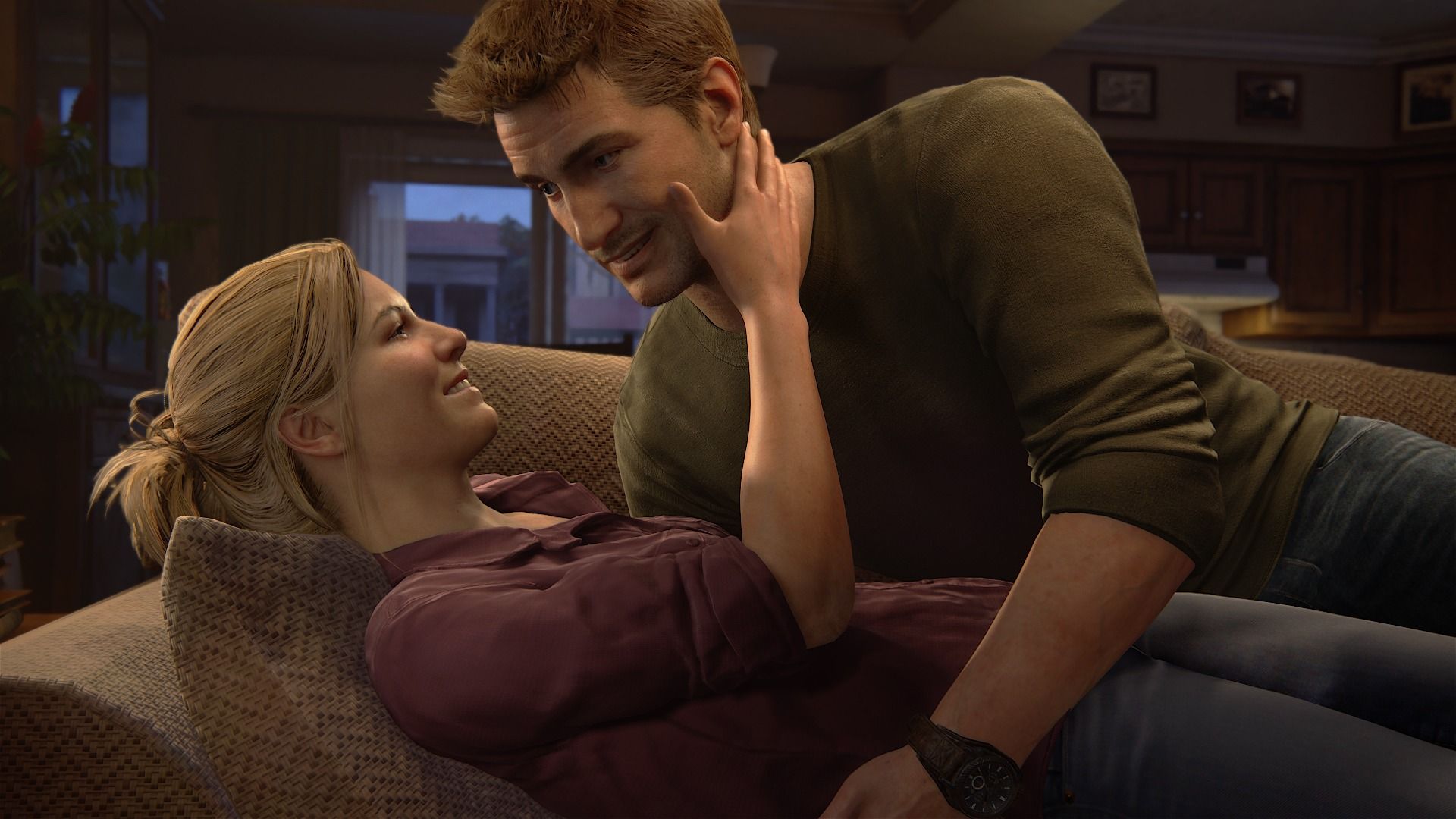
For decades, video games were stereotyped as power fantasies—spaceships, swords, scoreboards, and skill tests. Romance, when it appeared at all, was often a side note: a princess to rescue, a flirtation tucked between quests. Today, that picture has changed dramatically. Love story games—interactive experiences where relationships, emotions, and personal choices are central—have grown into one of the most diverse and influential segments of the global games industry.
From mobile apps read like interactive novels to massive role-playing games where love can change the fate of worlds, romance-driven games now reach millions of players across ages, cultures, and platforms. They are no longer niche experiments. They are a core part of how modern games tell stories.
This article explores what love story games are, how they evolved, the genres they span, why they resonate so strongly with players, and where the genre is heading next.
What Are Love Story Games?
At their core, love story games are interactive narratives in which relationships—romantic, emotional, or deeply personal—play a central role. Players are not just observers. They make choices: what to say, who to trust, whom to pursue, and when to commit or walk away. These decisions shape the story, the characters, and often the ending itself.
Unlike traditional romance novels or films, love story games give players agency. You are not simply watching a love story unfold; you are participating in it. This sense of ownership—this happened because I chose it—is one of the genre’s most powerful features.
Love story games appear in many forms:
- Visual novels focused almost entirely on dialogue and decisions
- Dating simulators with relationship mechanics
- Life simulators where romance blends with daily routines
- Large-scale RPGs where love is woven into epic narratives
Together, they form a broad ecosystem that cuts across platforms and player demographics.
A Brief History: From Side Plot to Center Stage
Romance has existed in games almost as long as games themselves, but it was rarely the main attraction. Early titles included simple relationship flags or endings based on limited interactions. These mechanics were functional, not emotional.
The shift began in earnest with Japanese visual novels and dating sims in the 1990s and early 2000s. These games, often text-heavy and character-driven, placed emotional connection at the center of gameplay. Players were rewarded not with high scores, but with deeper understanding of characters and multiple story outcomes.
At the same time, Western RPGs began experimenting with companion systems. Games like Mass Effect and Dragon Age treated romance as part of character development rather than a novelty. Relationships could succeed, fail, or change based on moral choices, loyalty, and trust.
The mobile gaming boom accelerated the genre’s growth. Smartphones made interactive stories accessible to millions, especially players who did not identify as traditional “gamers.” Apps like Choices: Stories You Play proved that serialized romance narratives could be as addictive as any action game.
Today, love story games exist across every major platform, genre, and art style.
Genres Within Love Story Games
One of the reasons love story games thrive is their flexibility. Romance adapts easily to different settings and mechanics. Below are the most prominent genres within the space.
Interactive Story and Choice-Based Games
These games resemble playable novels. Players read scenes, make dialogue choices, and guide the story toward different paths and endings. Gameplay focuses on narrative rather than reflexes or strategy.
Titles like Choices: Stories You Play, Tabou Stories, and Love Sick cover a wide range of themes: teen drama, mystery, fantasy, and modern relationships. The appeal lies in accessibility—anyone can play—and emotional engagement. Episodes are often released in seasons, encouraging long-term investment.
This format has become especially popular on mobile devices, where short play sessions fit naturally into daily routines.
Otome Games (Female-Focused Romance)
Otome games are romance stories traditionally designed for women, featuring a female protagonist and multiple male love interests. Originating in Japan, the genre emphasizes emotional storytelling, character backstories, and personal growth.
Games like Is It Love?, Blood in Roses, and other otome titles often explore fantasy, historical, or supernatural themes. The goal is not “winning” a partner but understanding them—learning their fears, values, and motivations.
While otome remains a specific label, its influence can be seen across modern romance games, especially in how they prioritize character depth and emotional realism.
Farming and Life Simulation Games
At first glance, farming simulators may seem far removed from romance. Yet games like Stardew Valley, Story of Seasons, and The Sims have shown how powerful love stories can be when woven into everyday life.
In these games, romance develops gradually through shared routines: talking daily, giving gifts, helping with tasks, and participating in festivals. Relationships feel earned rather than scripted. Players often describe these romances as comforting and authentic, reflecting real-life emotional rhythms.
The success of these titles demonstrates that love stories do not require dramatic plots. Sometimes, quiet consistency is enough.
RPG and Adventure Games with Romance
Large role-playing games bring romance into epic contexts. In titles like The Witcher 3, Mass Effect, and Dragon Age, relationships exist alongside wars, politics, and world-altering decisions.
What sets these games apart is integration. Romance is not separate from the main story—it interacts with it. Companions react to your choices, challenge your values, and sometimes leave if trust is broken. Emotional consequences feel real because they are tied to gameplay outcomes.
These games appeal to players who want both narrative depth and mechanical complexity, proving that romance can coexist with action and strategy.
Visual Novels and Dating Sim Classics
Visual novels and dating sims are the purest expression of love story games. Titles like Doki Doki Literature Club!, Hatoful Boyfriend, and Dream Daddy experiment with tone, humor, and structure.
Some are lighthearted and comedic. Others are introspective or even unsettling, using romance to explore themes like identity, expectations, and emotional vulnerability. The genre’s flexibility allows developers to subvert clichés and surprise players.
These games often develop strong fan communities, fueled by discussions about characters, endings, and hidden story paths.
Fantasy, Vampire, and Supernatural Romance
Romance thrives in heightened worlds. Vampire stories, magical realms, and supernatural settings allow developers to explore love under extreme conditions—immortality, forbidden bonds, or clashing destinies.
Games like Is It Love? Drogo – Vampire and Vampires in Your Area use fantasy to amplify emotional stakes. The familiar rules of romance are reframed through myth and imagination, making stories feel both escapist and emotionally intense.
This subgenre remains especially popular on mobile platforms, where episodic fantasy romance performs strongly.
Where Players Find Love Story Games
Love story games are widely available, and accessibility is a key factor in their popularity.
Mobile Platforms
The Google Play Store and Apple App Store host thousands of romance-focused titles. Mobile games dominate the interactive story and otome markets due to ease of access and free-to-play models.
PC and Console
Platforms like Steam and console game stores feature everything from indie visual novels to blockbuster RPGs with romance systems. PC remains especially important for experimental and narrative-driven titles.
Web and Indie Platforms
Sites like Itch.io and browser-based platforms allow independent developers to publish niche or experimental romance games, often exploring themes not commonly found in mainstream releases.
Why Love Story Games Resonate
The popularity of love story games is not accidental. Several key factors explain their appeal.
Player Agency
Making choices matters. Whether selecting dialogue options or deciding whom to trust, players feel responsible for the story’s direction. This agency deepens emotional investment.
Emotional Safety and Exploration
Games offer a safe space to explore emotions—connection, conflict, reconciliation—without real-world consequences. Players can experiment with different approaches to relationships and learn from outcomes.
Representation and Diversity
Modern love story games increasingly feature diverse characters, identities, and relationship structures. This inclusivity helps more players see themselves reflected in stories.
Narrative Depth
As games mature as a storytelling medium, romance provides a powerful lens through which to explore identity, morality, and human connection.
Criticism and Challenges
Despite their success, love story games face criticism. Some rely too heavily on clichés or monetization systems that limit choices. Others struggle with shallow character development or repetitive plots.
There is also ongoing discussion about how relationships are portrayed—whether they encourage healthy communication, respect, and autonomy. As the genre grows, players increasingly expect thoughtful writing and responsible design.
The Future of Love Story Games
Looking ahead, the future of love story games appears bright and ambitious. Advances in artificial intelligence may allow for more dynamic conversations and responsive characters. Cross-genre experimentation will likely continue, blending romance with mystery, strategy, or social simulation.
Most importantly, developers are recognizing that love stories are not secondary experiences. They are central narratives capable of driving engagement, loyalty, and cultural impact.
Conclusion
Love story games have transformed how interactive media approaches emotion and connection. From cozy farming sims to galaxy-spanning RPGs, they prove that romance is not a distraction from gameplay—it is a form of gameplay.
By giving players choice, empathy, and agency, these games invite us to reflect on relationships in ways that few other media can. As technology and storytelling evolve, love story games will continue to redefine what it means to play—not just to win, but to feel.
In an industry once dominated by reflexes and firepower, the rise of love story games reminds us of something fundamental: human connection is one of the most compelling stories we can tell.