
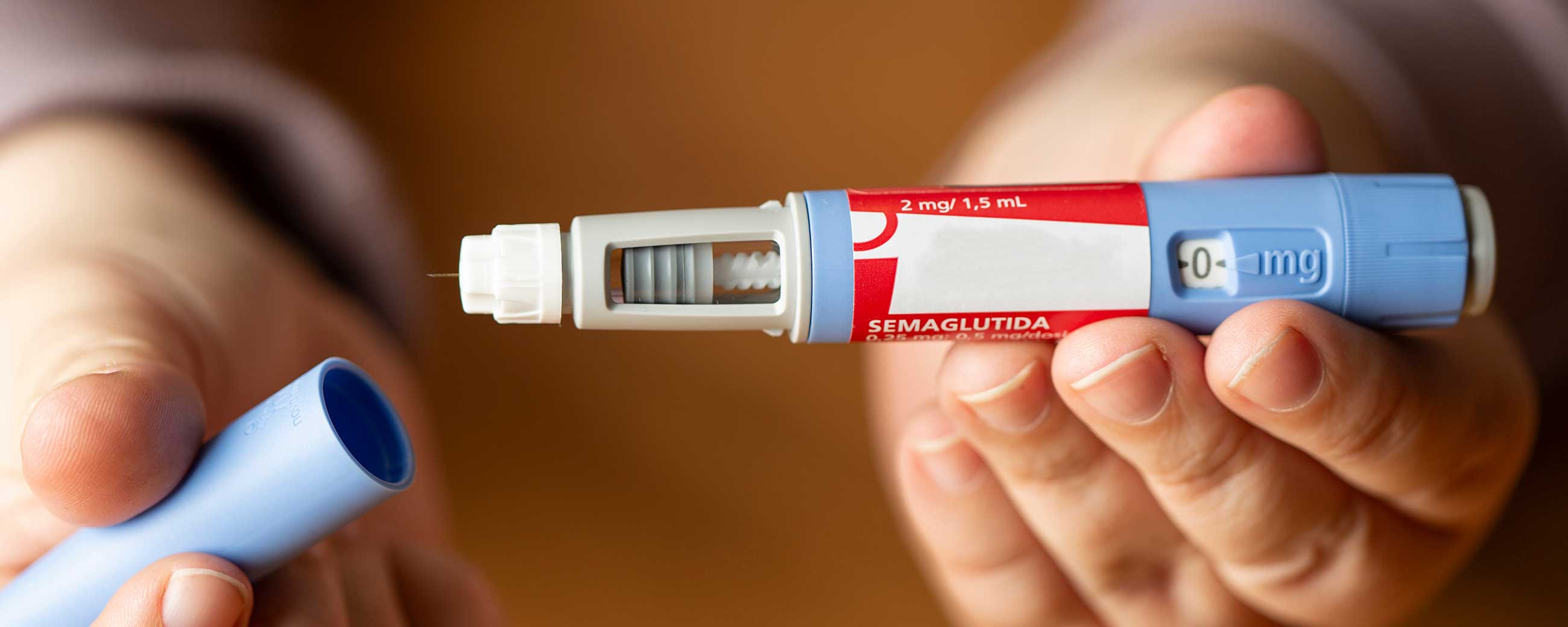
Ozempic has become one of the most recognizable names in modern medicine—less for its original purpose and more for what it represents in popular culture: dramatic weight loss. Originally approved to treat Type 2 diabetes, the injectable drug has come to symbolize a new era in obesity treatment, one fueled by a powerful class of medications known as GLP-1 receptor agonists.
From celebrity endorsements to social media buzz, Ozempic helped ignite what many now call the “GLP-1 weight-loss revolution.” Yet behind the headlines, a more complicated and nuanced medical conversation is unfolding. Doctors, researchers, regulators, and patients are all grappling with the same fundamental question: Is Ozempic safe for weight loss—especially long term?
The answer, according to experts, is both reassuring and incomplete.
A Drug That Changed the Conversation About Obesity
Ozempic belongs to a class of medications called GLP-1 receptor agonists, which also includes Wegovy, Mounjaro, and Zepbound. These drugs mimic glucagon-like peptide-1 (GLP-1), a hormone naturally produced in the gut after eating. GLP-1 signals the brain that the body is full, reduces appetite, and slows stomach emptying.
Dr. Christopher McGowan, a gastroenterologist who runs a weight-loss clinic in North Carolina, says Ozempic has become shorthand for the entire category.
“Most people have understood Ozempic as kind of a catch-all for the GLP-1 class of medications,” he explains.
That cultural shorthand matters. According to a 2025 report from RAND, about 12% of Americans have already taken a GLP-1 drug for weight loss, and another 14% say they are interested. The numbers reflect a growing acceptance of obesity as a chronic medical condition rather than a personal failure—an important shift in how weight and health are discussed.
In December 2025, the World Health Organization took a major step by recommending the long-term use of GLP-1 drugs, combined with intensive behavioral therapy, for people living with obesity. Still, the recommendation came with a caveat: it is conditional, due to limited long-term safety and efficacy data.
Ozempic vs. Wegovy: Same Drug, Different Purpose
One of the most common sources of confusion surrounds the difference between Ozempic and Wegovy. From a scientific standpoint, they are remarkably similar.
“Technically, they are exactly the same,” says Dr. Maria Daniela Hurtado Andrade, an endocrinologist at the Mayo Clinic. Both contain semaglutide as their active ingredient.
The key differences lie in FDA approval, dosing, and insurance coverage. Ozempic is approved to treat Type 2 diabetes, while Wegovy is approved specifically for chronic weight management in people with obesity or those who are overweight with related health conditions such as high blood pressure.
Wegovy is also prescribed at a higher maximum dose—2.4 milligrams per week compared to Ozempic’s 2 milligrams. Because of these distinctions, insurance companies typically will not cover Ozempic for weight loss, even though doctors may prescribe it “off-label.”
Novo Nordisk, the manufacturer of both drugs, emphasizes that they are not interchangeable, despite their shared ingredient.
How Semaglutide Works in the Body
Semaglutide’s effects go beyond appetite suppression. By acting on GLP-1 receptors in the brain and digestive system, it helps regulate hunger signals, reduces cravings, and promotes earlier satiety during meals.
Clinical trials show impressive results. Adults with obesity or overweight lost an average of 15% of their body weight after about 16 months on Wegovy. Longer-term data suggest that after four years, patients maintained an average weight loss of around 10%.
Doctors say these changes can dramatically improve overall health.
“On average, people lose a significant amount of weight,” says Dr. Cecilia Low Wang, an endocrinologist at UCHealth. “And along with that, other elements of their health often get better, too.”
Obesity is strongly linked to Type 2 diabetes, cardiovascular disease, certain cancers, liver disease, and mental health conditions. Treating obesity can trigger what Dr. Hurtado Andrade describes as a “cascade effect” of clinical benefits.
The FDA has expanded Wegovy’s approvals in recent years, including indications to reduce the risk of heart attack and stroke and to treat metabolic-associated steatohepatitis (MASH), a serious form of fatty liver disease.
The Known Side Effects—and the Ones Still Being Studied
Like all medications, Ozempic and Wegovy come with risks. The most common side effects are gastrointestinal: nausea, vomiting, diarrhea, constipation, and stomach pain. In a 2025 RAND survey, about half of GLP-1 users reported nausea, and roughly one-third experienced diarrhea.
These symptoms are usually most intense when starting the medication or increasing the dose and often improve over time.
More serious but less common risks listed by the manufacturer include pancreatitis, gallbladder disease, kidney problems, low blood sugar, allergic reactions, and a possible increased risk of thyroid tumors. Wegovy also carries warnings about increased heart rate and potential mood changes, including depression or suicidal thoughts.
Doctors emphasize that serious complications are rare but real—and require careful monitoring.
Muscle Loss, Arthritis, and the Body Composition Question
One growing concern among clinicians is whether rapid weight loss from GLP-1 drugs leads to excessive muscle loss. Novo Nordisk says current data do not show disproportionate loss of lean body mass compared to fat loss. Still, experts urge patients to prioritize protein intake and resistance exercise.
In 2025, researchers also reported an association between GLP-1 use and an 11% increase in arthritis risk. However, obesity itself is a major risk factor for osteoarthritis, and weight loss is known to reduce joint stress.
In fact, a 2024 study published in The New England Journal of Medicine found that people with knee osteoarthritis who took semaglutide experienced significantly less pain—likely because of reduced weight on the joints.
Stomach and Digestive Risks
Because semaglutide slows gastric emptying, concerns have emerged about severe digestive complications such as gastroparesis, a condition sometimes called “stomach paralysis.”
While gastroparesis is not listed as an official adverse reaction on Ozempic or Wegovy labels, a 2023 study in JAMA found that GLP-1 users may face an increased risk of severe gastrointestinal problems.
Doctors stress that these events are uncommon but should be discussed openly with patients considering the medication.
Vision Risks: Rare but Closely Watched
Some of the newest—and most closely scrutinized—research on GLP-1 drugs involves eye health.
In mid-2025, a large Canadian study found that older adults with Type 2 diabetes who took GLP-1 drugs had a higher risk of developing neovascular (wet) age-related macular degeneration, a rare but serious cause of vision loss. The absolute risk remained low—about 0.2%—but was roughly double that of non-users.
Another small study examined cases of nonarteritic anterior ischemic optic neuropathy (NAION), an extremely rare condition sometimes described as a stroke of the optic nerve. Researchers emphasized that no causal link has been established.
Experts caution against alarmism. These eye conditions are rare, particularly in younger patients, and there is currently no evidence that people in their 20s, 30s, or 40s face meaningful risk. Still, doctors advise patients to report any sudden vision changes immediately.
Is Ozempic a Lifetime Drug?
Perhaps the most debated question surrounding semaglutide is how long patients should stay on it.
Many obesity specialists believe GLP-1 drugs are best viewed like medications for high blood pressure or diabetes: long-term, possibly lifelong treatments. When patients stop taking them, weight regain is common, often accompanied by a return of intense hunger.
“Someone who’s considering taking a GLP-1 medication must plan to take it indefinitely,” Dr. McGowan says.
Others urge caution. Dr. Zhaoping Li of UCLA argues that while obesity is a chronic disease, the long-term effectiveness of GLP-1 drugs over decades is not yet proven.
“The best use of this class of drug,” she says, “would be leveraging the window of opportunity provided by the drug to help patients improve lifestyle for longevity and quality of life.”
So, Is Ozempic Safe?
Based on current evidence, most experts agree on several points:
- Semaglutide has a strong safety record, supported by decades of use in diabetes care and millions of patient-years of data.
- Serious side effects are rare, but ongoing monitoring is essential.
- Long-term risks cannot be ruled out entirely, but no alarming new safety signals have emerged so far.
- For eligible patients, the benefits often outweigh the risks, particularly when obesity-related health conditions are present.
“We’re always vigilant,” Dr. Low Wang says. “But with what we know now, we can do this safely—with close medical supervision.”
Ozempic may not be a miracle cure, and it is not without uncertainties. But for many people living with obesity, it represents something profound: a scientifically grounded tool that treats weight as a medical condition, not a moral failing.
As research continues and long-term data accumulate, the story of Ozempic—and the broader GLP-1 class—will keep evolving. For now, doctors say the key is informed decision-making, realistic expectations, and care guided by evidence rather than hype.