
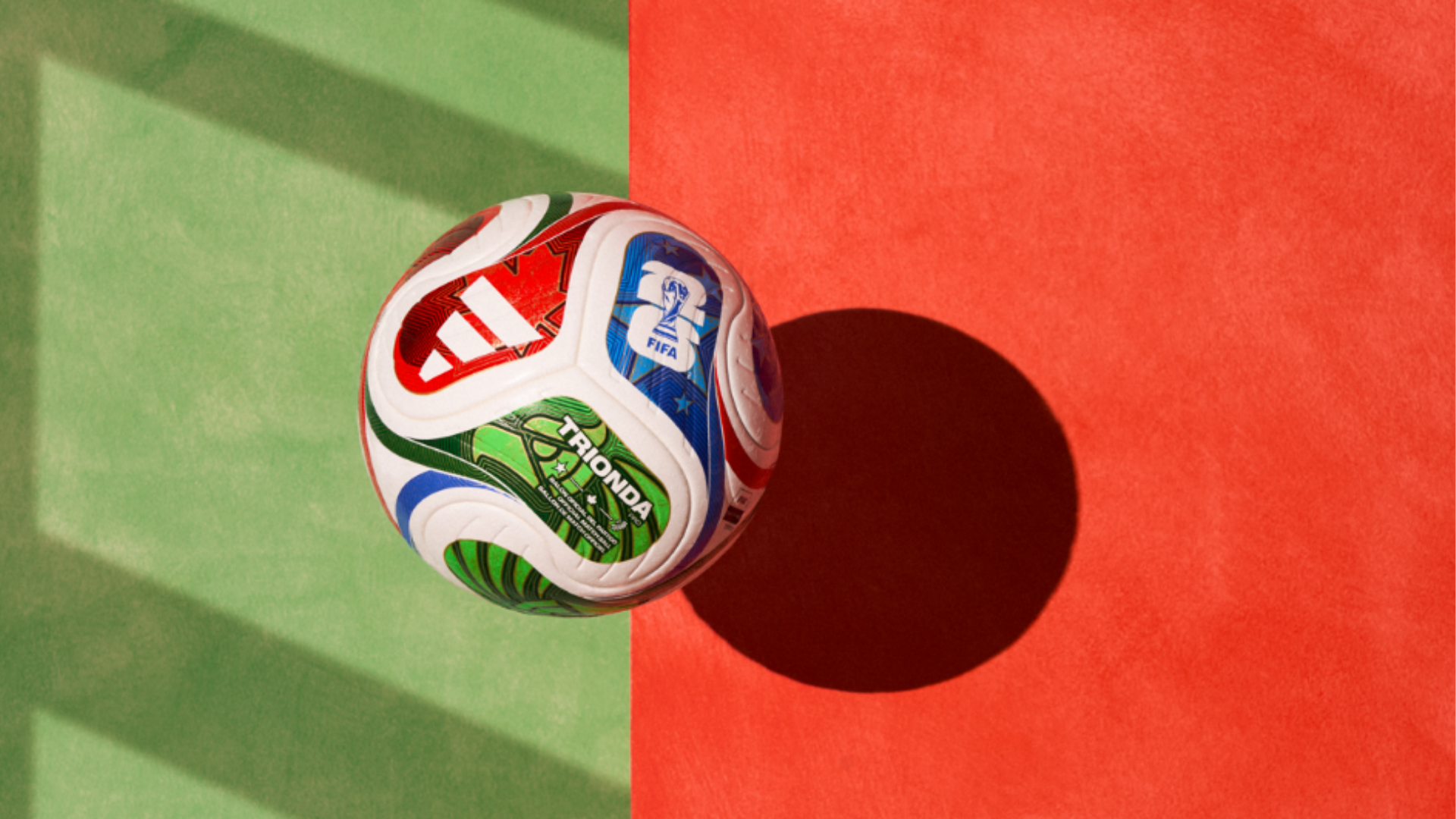
From the moment the balls are drawn from the pots, the fate of nations can be sealed. Long before a ball is kicked, World Cup dreams are shaped — and sometimes shattered — by the draw itself. For players, coaches and fans alike, the group-stage draw represents hope, fear and anticipation in equal measure. Everyone wants a smooth path to the knockout rounds. No one wants to hear the dreaded phrase: “the group of death.”
Across the history of the FIFA World Cup, this expression has come to symbolise groups so fiercely competitive that even giants of the game can be eliminated before the tournament has truly begun. These are the groups where world champions collide, legends are humbled, and football history takes dramatic turns.
As attention turns to future World Cups and the ever-present fear of another brutal draw, it is worth revisiting the most notorious “groups of death” the tournament has ever produced — and understanding why they continue to fascinate fans decades later.
What Is a “Group of Death”?
The term “group of death” is not an official FIFA designation, but rather a phrase coined by journalists and fans to describe a group stage containing an unusually high concentration of strong teams. Typically, such a group includes:
- Multiple former or reigning world champions
- Teams ranked highly in world football
- Squads packed with elite players
- A level of parity so tight that qualification margins are razor-thin
Despite FIFA’s efforts to seed teams and balance groups by ranking and geography, football history shows that chaos often wins. And when it does, it creates some of the most unforgettable chapters of the World Cup.
Sweden 1958: The First True “Group of Death”
Many historians point to Group 4 of the 1958 World Cup in Sweden as the earliest example of a group of death.
The group featured:
- Brazil, who would go on to win the tournament
- The Soviet Union, Olympic champions in 1956
- England, one of the game’s founding powers
- Austria, third-place finishers in the 1954 World Cup
At the time, this concentration of elite footballing nations in one group was unprecedented. Each team arrived with serious credentials, and none could afford complacency. Ultimately, Brazil and the Soviet Union progressed, while England and Austria were eliminated — a shock that underscored how unforgiving World Cup football could be.
Though the term “group of death” was not yet in popular use, the concept was born.
Mexico 1970: The Phrase Is Born
According to French football historian Paul Dietschy, the phrase “group of death” entered World Cup vocabulary during the 1970 World Cup in Mexico, in reference to Group C.
That group included:
- Brazil, led by Pelé and destined to become one of the greatest teams in football history
- England, the reigning world champions from 1966
- Czechoslovakia, finalists in 1962
- Romania, a technically strong and dangerous side
This group produced iconic moments, none more famous than Gordon Banks’ miraculous save from Pelé — often described as the greatest save of all time. The clash between Brazil and England was effectively a meeting of past and future champions, a heavyweight encounter that felt like a final played far too early.
Brazil and England advanced, but the sheer quality and tension of the group cemented its place in World Cup lore.
Spain 1982: The Ultimate Group of Death
If there is one group that stands above all others, many experts agree it is the second-round group of the 1982 World Cup in Spain.
Unlike today’s format, the second round consisted of group stages rather than knockout matches. And one such group contained:
- Argentina, the defending world champions, featuring a young Diego Maradona
- Brazil, three-time world champions, boasting a side many consider the most gifted ever assembled
- Italy, two-time champions, written off after a poor first round
This was football at its most merciless. Brazil dazzled with Zico, Sócrates and Falcão. Argentina relied on grit and Maradona’s emerging genius. Italy, struggling and criticised, suddenly found themselves with nothing to lose.
Then came one of the greatest matches in World Cup history: Italy vs Brazil. Paolo Rossi scored a stunning hat-trick as Italy won 3–2, eliminating Brazil in a match that still haunts Brazilian fans. Italy then defeated Argentina and went on to win the World Cup.
This group didn’t just eliminate giants — it reshaped football mythology.
USA 1994: A Group of Perfect Parity
Not all groups of death are defined by star power alone. Some earn the label through balance and unpredictability, as seen in Group E of the 1994 World Cup.
The group featured:
- Italy, eventual finalists
- Republic of Ireland
- Mexico
- Norway
None of these teams — aside from Italy — were considered overwhelming favourites, yet all four finished with four points each. Goal difference alone determined the final standings.
Norway were eliminated despite winning a match, while Italy narrowly scraped through and ultimately reached the final. The group demonstrated that death can come not only from giants, but from equality — where every match is a final and every mistake is fatal.
Korea/Japan 2002: Argentina’s Nightmare
Few World Cup shocks rival Argentina’s early exit in 2002, and it came in what was widely dubbed that tournament’s group of death.
Group F included:
- Argentina, packed with stars like Batistuta, Crespo and Verón
- England, featuring Beckham, Gerrard and Owen
- Nigeria, a perennial African powerhouse
- Sweden, with Zlatan Ibrahimović emerging
Argentina arrived as one of the favourites, boasting an exceptional qualifying campaign. Yet football, as ever, defied logic. Sweden and England progressed. Argentina were eliminated in the group stage — a seismic upset that sent shockwaves through the footballing world.
It was a reminder that reputation offers no protection in a brutal group.
Brazil 2014: Three Champions, One Group
The 2014 World Cup in Brazil produced one of the most dramatic groups ever assembled.
Group D included:
- Italy, four-time world champions
- England, world champions in 1966
- Uruguay, two-time champions
- Costa Rica, considered the group’s weakest side
On paper, this was a nightmare scenario — three champions fighting for two spots. Yet football once again tore up the script.
Costa Rica, led by goalkeeper Keylor Navas, stunned the world by topping the group. Uruguay advanced in second place. Italy and England — giants of the game — were eliminated.
The group was not only difficult, but gloriously unpredictable. It embodied everything fans love about the World Cup.
Why Do Groups of Death Matter?
Groups of death endure in memory because they strip football down to its raw essence. There are no easy matches, no room for recovery, no time to grow into the tournament. Every game is played on a knife-edge.
They also reveal deeper truths:
- Tactical rigidity is punished
- Reputation means nothing without performance
- Smaller nations can rise when pressure breaks giants
For fans, these groups provide early drama and unforgettable matches. For teams, they represent the harshest test of preparation, mentality and adaptability.
The Draw and the Future
With the World Cup expanding to 48 teams from 2026, questions have emerged about whether true groups of death will still exist. More teams theoretically mean more balance, but also more complexity.
Ahead of the 2026 draw, speculation swirled around the possibility of another nightmare group — particularly if traditional powers ended up seeded lower due to qualification routes. Italy, for instance, risked entering from a lower pot if forced into play-offs, raising fears of a supergroup.
Ultimately, the draw avoided such a scenario. Yet history suggests it is only a matter of time before fate, mathematics and footballing irony combine once more.
Conclusion: Where Legends Are Forged — and Broken
The World Cup group stage may only be the beginning of the tournament, but it is often where its most enduring stories are written. Groups of death capture football at its most intense — where greatness is tested early, and survival itself becomes an achievement.
From Sweden in 1958 to Brazil in 2014, these groups have delivered shock, beauty, heartbreak and glory. They remind us why the World Cup is unlike any other competition: because no draw is ever safe, and no champion is ever guaranteed.
As long as football remains unpredictable, the group of death will remain one of its most compelling — and feared — traditions.