
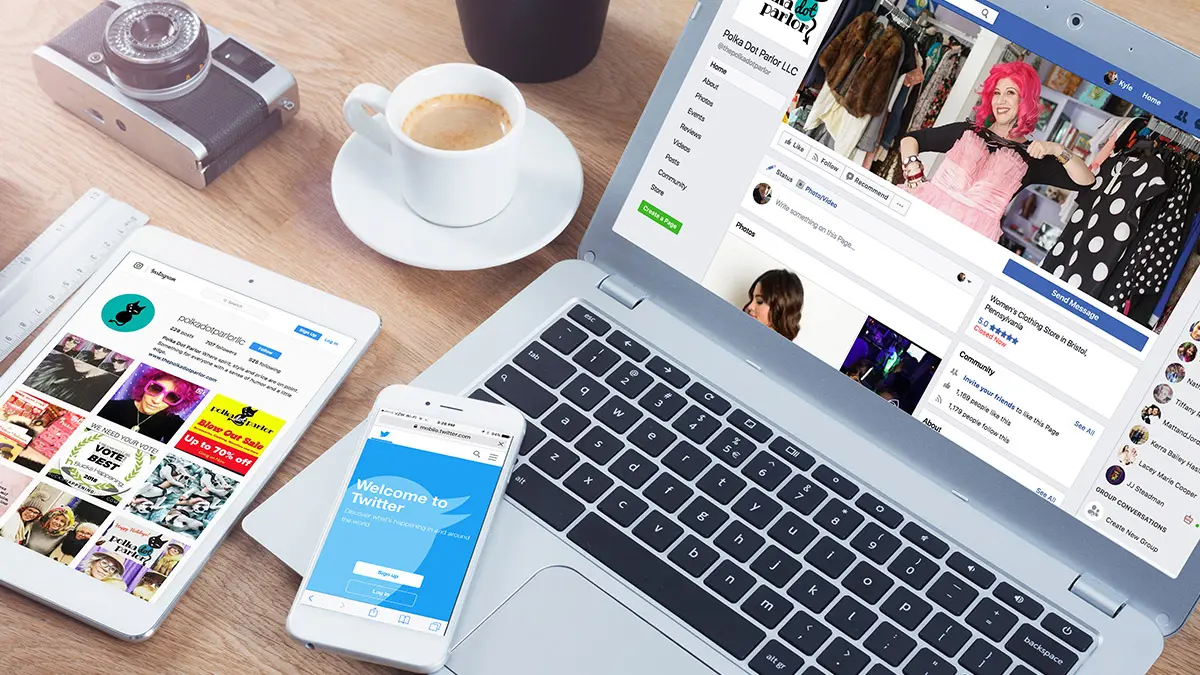
Social media has moved far beyond casual networking. By 2026, platforms are no longer just tools for sharing content—they are full-scale ecosystems for business growth, personal branding, audience building, and monetization. For businesses and creators alike, choosing the right social media platform is no longer optional; it is a strategic decision that directly affects visibility, revenue, and long-term success.
With algorithms becoming more selective, audiences more fragmented, and competition more intense, the question many are asking is simple yet critical: Which social media platform is the best for business and creators in 2026?
The answer is not universal. Different platforms offer different advantages depending on goals, industry, content format, and growth strategy. This article explores the leading social media platforms in 2026, analyzes their strengths and limitations, and provides a clear framework to help businesses and creators choose the right platform—or combination of platforms—for sustainable success.
The Social Media Environment in 2026
By 2026, social media is shaped by three dominant forces:
- Creator-first economies
- Algorithm-driven discovery
- Audience trust and authenticity
Platforms are investing heavily in creator tools, monetization features, and analytics, while businesses are increasingly using social media as their primary marketing channel rather than a supporting one.
Key trends defining 2026 include:
- Short-form video remains dominant, but long-form content is resurging
- Communities are valued more than follower counts
- Monetization stability matters more than viral reach
- Platforms reward consistency, value, and audience retention
Against this backdrop, several platforms stand out as major players for businesses and creators.
Instagram: The Cornerstone of Brand Identity
Instagram remains one of the most important platforms for both businesses and creators in 2026. Its ability to combine visual storytelling, short-form video, direct audience engagement, and monetization makes it a central hub in many digital strategies.
Why Instagram Still Matters
Instagram has successfully evolved without losing its core identity. Reels drive discovery, Stories maintain daily engagement, and posts help establish a consistent brand aesthetic. For businesses, Instagram functions as a digital storefront; for creators, it is a portfolio and engagement engine.
Strengths for Businesses
- Strong brand-building capabilities
- Advanced advertising and targeting tools
- Integrated shopping and product tagging
- High engagement rates compared to text-based platforms
Strengths for Creators
- Multiple monetization options
- Loyal audience relationships
- Opportunities for collaborations and sponsorships
Limitations
Instagram’s biggest challenge is competition. Growth in 2026 requires strategy, consistency, and differentiation. Organic reach is no longer guaranteed, especially for new accounts.
Best suited for:
Brands, influencers, educators, and creators focused on long-term audience trust and monetization.
TikTok: The Discovery Engine of the Internet
TikTok continues to redefine how content is discovered in 2026. It remains the most powerful platform for organic reach, making it especially valuable for creators and businesses seeking rapid visibility.
Why TikTok Dominates Discovery
Unlike follower-based platforms, TikTok’s algorithm prioritizes content performance. A single video can generate massive exposure regardless of account size, making it one of the most accessible platforms for new creators.
Strengths for Businesses
- Fast exposure for new products
- Strong performance for storytelling and behind-the-scenes content
- Cost-effective brand awareness
Strengths for Creators
- Easy entry for beginners
- Viral growth potential
- Creative freedom
Limitations
TikTok content has a short lifespan, and monetization is less predictable. Businesses often need to redirect traffic to other platforms to convert attention into sales.
Best suited for:
Creators, startups, and brands prioritizing reach, trends, and rapid audience growth.
YouTube: The Long-Term Growth Platform
In 2026, YouTube remains unmatched when it comes to long-term value creation. While it requires more effort than short-form platforms, its rewards are also more stable.
Why YouTube Is Still Powerful
YouTube functions as both a social platform and a search engine. Content can generate views, subscribers, and revenue years after publication. This makes it particularly attractive for creators and businesses focused on education, thought leadership, and evergreen content.
Strengths for Businesses
- Authority and trust building
- High-quality lead generation
- Long content lifespan
Strengths for Creators
- Strong monetization systems
- Loyal audience communities
- Multiple content formats
Limitations
High production effort and slower growth make YouTube less appealing for those seeking quick results.
Best suited for:
Educators, long-form creators, consultants, and brands focused on credibility and depth.
Facebook: The Platform of Communities and Conversion
While no longer dominant in pop culture, Facebook remains highly relevant in 2026—especially for businesses.
Why Facebook Still Works
Facebook’s power lies in its groups, events, and advertising ecosystem. Businesses continue to rely on Facebook for local marketing, customer support, and community building.
Strengths for Businesses
- Community-driven engagement
- Advanced advertising tools
- Strong conversion tracking
Strengths for Creators
- Niche audience communities
- Long-form discussions
Limitations
Organic reach on pages is limited, and growth often requires paid strategies.
Best suited for:
Local businesses, service providers, and community-focused brands.
LinkedIn: The Professional Growth Platform
In 2026, LinkedIn is no longer just a job-search platform. It has become a powerful space for professional creators, consultants, and B2B businesses.
Strengths
- High trust environment
- Strong organic reach for thought leadership
- Valuable professional audience
Limitations
Not suitable for entertainment or casual content.
Best suited for:
Professionals, coaches, consultants, and B2B brands.
Comparing Platforms for Business & Creators
| Platform | Best For | Growth Speed | Monetization | Longevity |
|---|---|---|---|---|
| Branding & creators | Medium | High | High | |
| TikTok | Discovery | Fast | Medium | Low–Medium |
| YouTube | Authority | Slow | Very High | Very High |
| Communities | Slow | Medium | High | |
| Professionals | Medium | High | High |
The Best Platform Strategy in 2026
Rather than choosing a single platform, the most successful businesses and creators in 2026 adopt a multi-platform strategy:
- TikTok for discovery
- Instagram for engagement and branding
- YouTube for long-term authority
- Facebook or LinkedIn for community and conversion
Each platform plays a different role in the growth funnel.
Choosing the Right Platform for Your Goals
Ask yourself:
- Do I want fast growth or long-term stability?
- Am I focused on entertainment, education, or sales?
- Can I consistently create video content?
Your answers should guide your platform choice.
Final Thoughts
In 2026, the best social media platform for business and creators is not defined by popularity alone, but by alignment with purpose. Platforms reward those who understand their audience, provide real value, and commit to consistent storytelling.
Success no longer comes from being everywhere—it comes from being intentional.
Businesses and creators who treat social media as a strategic asset rather than a trend will continue to thrive, regardless of how platforms evolve.
Frequently Asked Questions (FAQ)
1. What is the best social media platform for businesses in 2026?
The best platform depends on business goals. Instagram and Facebook are ideal for branding, advertising, and customer engagement. LinkedIn works best for B2B businesses and professional services, while TikTok is effective for brand awareness and reaching new audiences quickly.
2. Which social media platform is best for creators in 2026?
For creators, Instagram, TikTok, and YouTube remain the top choices. TikTok offers fast discovery, Instagram provides strong engagement and monetization, and YouTube delivers long-term growth and stable income opportunities.
3. Is TikTok still worth using for business growth in 2026?
Yes, TikTok remains highly valuable in 2026, especially for visibility and audience discovery. However, businesses should pair TikTok with another platform such as Instagram or a website to convert attention into long-term customers.
4. Can small businesses succeed on social media without paid advertising?
Small businesses can grow organically, particularly on TikTok and LinkedIn, but paid advertising often accelerates results. Platforms like Facebook and Instagram still offer strong returns when ads are used strategically.
5. Which platform offers the best monetization options for creators?
YouTube and Instagram offer the most reliable monetization options in 2026, including ad revenue, brand deals, subscriptions, and digital product sales. TikTok monetization continues to improve but remains less predictable.
6. Is it better to focus on one platform or multiple platforms?
Most successful creators and businesses in 2026 use a multi-platform strategy. Focusing on one primary platform while repurposing content across others helps maximize reach without overwhelming resources.
7. How important is video content in 2026?
Video content is essential in 2026. Short-form videos dominate platforms like TikTok and Instagram, while long-form videos perform well on YouTube. Businesses and creators who avoid video often struggle to compete.
8. Is Facebook still relevant for businesses in 2026?
Yes, Facebook remains highly relevant for local businesses, communities, customer support, and advertising. While it may not be ideal for viral content, it excels in conversion and relationship building.
9. What platform is best for long-term growth?
YouTube offers the strongest long-term growth due to its search visibility and evergreen content. Instagram also supports long-term brand building when used consistently.
10. How should creators and businesses choose the right platform?
The right platform should align with:
- Your content format (video, text, visuals)
- Your target audience
- Your growth timeline
- Your monetization goals
Choosing platforms based on strategy rather than trends leads to better long-term results.