
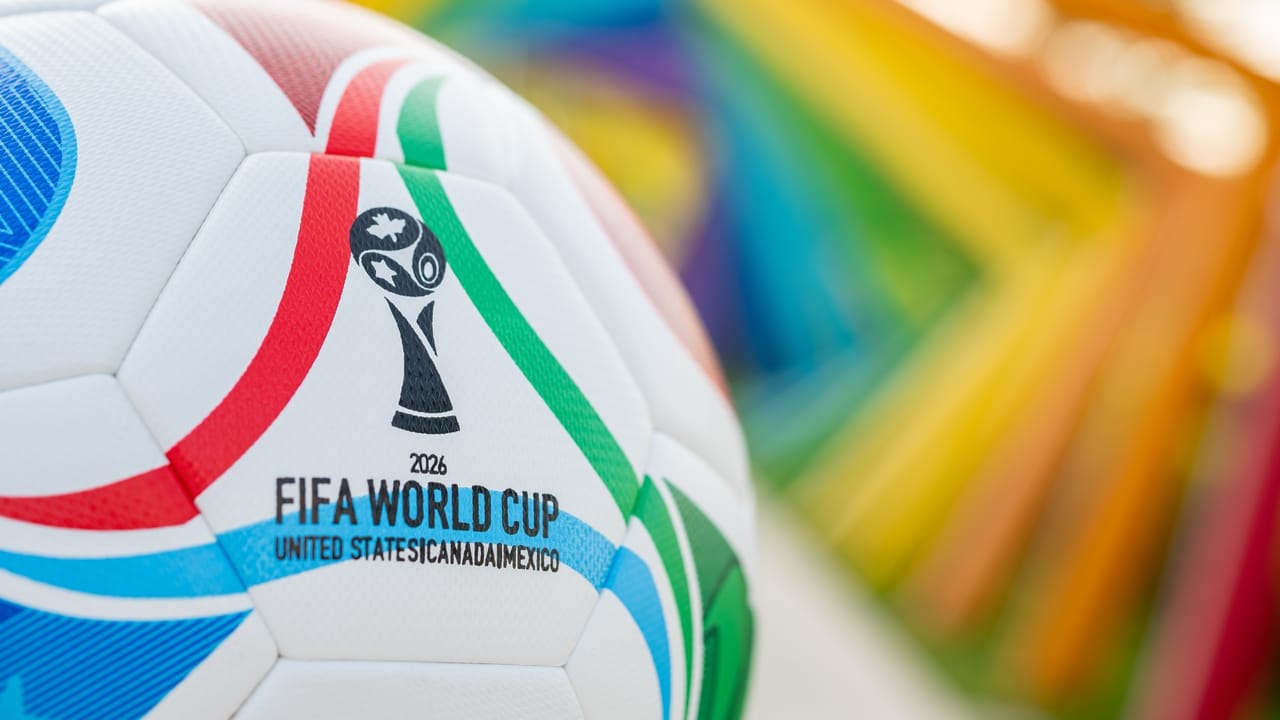
Football’s most eagerly anticipated event is less than a year away, and already a storm is brewing. As the FIFA World Cup 2026 approaches, fans, media, and political figures are voicing fierce criticism over the price of match tickets — a debate that has touched on issues of affordability, inclusivity, commercialisation, and the very identity of the global game.
Set to be co-hosted by the United States, Canada and Mexico, the 2026 edition will be the largest in history, expanding the tournament from 32 to 48 teams and promising a dramatic, globe-spanning spectacle. But with unprecedented scale comes unprecedented cost, and ticket prices for many matches — especially high-demand fixtures — have climbed to levels that even some wealthy supporters find hard to swallow.
This extended investigation explores what we know so far about World Cup 2026 ticket pricing, why the costs are drawing such ire, who is most affected, and what it might mean for the future of the world’s most popular sporting event.
A New Era — and a New Price Tag
The 2026 FIFA World Cup represents a major expansion. The decision to increase the number of teams from 32 to 48 was sold as a way to broaden global access, giving more nations a chance to compete on football’s biggest stage. Economically and logistically, however, such ambition has costs — some of them painfully visible on the ticketing portal.
While FIFA did not publish its complete pricing breakdown immediately upon release, the broad outlines became clear soon after tickets went on sale. As with previous tournaments, ticket categories were tiered. The cheapest tickets — often in the uppermost seating areas — tend to be cheapest in theory, but many of these are still priced significantly above the equivalent “budget” seats of previous World Cups. Meanwhile, premium matches — including potential semi-finals and final — have tickets costing in the thousands of dollars.
What makes the 2026 pricing particularly controversial is not simply the sticker price, but the way prices have been structured and communicated. Many fans complained that pricing levels appeared to have been set without meaningful consultation, and with little regard for the purchasing power of ordinary supporters.
The Fan Backlash: Who is Saying What?
When ticket prices were made public, fan groups and consumer advocates reacted swiftly. Social media lit up with criticism, with hashtags calling for boycotts, refunds, and price reconsiderations trending in multiple languages across Twitter, Instagram, and TikTok.
For many supporters, the outrage centers around a simple question: Is the World Cup becoming a luxury event only affordable to elites?
In countries with strong football cultures — including parts of South America, Africa and Europe — fans expressed dismay at how little money was required to travel but how much they would still need to pay just for entry to matches. Some supporters pointed out that, for several games, even the lowest-tier tickets were priced comparably to high-end club football matches in major European leagues — despite the World Cup’s traditional association with mass access and grassroots fandom.
Fan associations in several countries issued formal statements. A leading supporters group in Argentina said it was “unthinkable that a World Cup should price out core fans,” while a collective in Nigeria called the pricing “a slap in the face” to those who had supported their national team through decades of struggle.
In the United States itself, where income inequality is among the widest of any industrialised nation, critics pointed out that even domestic fans were being priced out of the opportunity to see the world’s greatest footballing event live.
FIFA’s Response: Justification and Defences
FIFA and its organising committees pushed back against mounting criticism, arguing that ticket prices reflect the scale and cost of staging a record-breaking event.
In official statements, FIFA noted that the World Cup requires substantial investment in stadium operations, security, transportation, and fan services — costs that ultimately are borne not just by governing bodies but also by host cities and infrastructure partners. According to FIFA officials, pricing decisions were made after “careful consideration of market conditions, fan demand and operational requirements.”
FIFA also highlighted that a significant share of tickets were allocated to lower price tiers — including many accessible tickets for youth, seniors, and individuals with disabilities — and that FIFA had established special programmes to make tickets available to underserved communities.
The organisation further stressed that its revenue from ticket sales helps fund global developmental programmes aimed at increasing access to football in poorer regions, and that keeping prices too low could compromise both the quality of delivery and FIFA’s broader mission.
Still, critics responded that such statements, while rhetorically polished, do little to address the lived reality of millions of fans who simply can no longer attend World Cup matches without extensive financial strain.
Economic Realities: Costs Beyond the Ticket
Part of the backlash stems from a broader understanding of what attending a World Cup actually costs. For many fans, the ticket price is only one component of a much larger expenditure.
Consider the example of a fan from Sub-Saharan Africa or Southeast Asia. Even before adding airfare and hotel costs, the lowest-priced match ticket for a mid-tier group game might represent several weeks’ worth of income for an average wage earner. Add flights, accommodation, food, local transport, and incidental expenses, and the total expenses can quickly reach sums that are simply untenable for many families.
For fans travelling from Europe or South America, where travel costs to North America are comparatively lower, the sticker shock still comes when ticket bundles for multiple matches are combined with hotel rates that spike during tournament periods.
Economists note that global inflation and the rising cost of living — particularly in major cities that will host matches like New York, Los Angeles and Mexico City — have exacerbated the situation. Prices for non-ticket expenses alone have effectively doubled in many popular destinations over the past decade.
Even for wealthy patrons and corporate sponsors, the cost of attending matches has become a calculated investment rather than a celebration of sport. Hospitality packages, VIP experiences, and corporate boxes — once the province of a small elite — are now a growing revenue stream for organising committees, further entrenching the perception that football’s grandest stage is tilting toward commercial interests over fan access.
Who Benefits — and Who Loses?
A central question in the ticket price controversy is this: who benefits from higher prices, and who loses out?
From an organisational perspective, higher ticket prices generate more revenue for FIFA, host associations, and stadium partners. This money contributes directly to logistical operations and, in the case of FIFA, to its broader financial ecosystem, which includes investments in future tournaments and global development programmes.
Hotels, restaurants, transportation services, and local tourism sectors in host cities often stand to benefit from the influx of well-heeled visitors. Cities like Miami and Toronto have highlighted projected economic boosts tied to match-related spending — a boon for local jobs and businesses.
Yet these financial gains come with trade-offs. Fans on modest incomes — the lifeblood of football culture — found themselves priced out. Supporters who once saved for years to attend a World Cup now find that even if they can afford travel costs, match tickets alone remain prohibitive.
For players, too, the controversy has meaning. Many stars spoke publicly about wanting their fans to be present in the stands, filling stadiums with passion rather than empty seats filled with cameras and corporate guests. A World Cup without its most fervent supporters — those who paint faces, sing chants, and travel on shoestring budgets — risks losing part of its soul.
Comparative Context: How Does 2026 Stack Up?
Looking at previous World Cups — particularly in 2010, 2014 and 2018 — ticket affordability was also a concern, but rarely to the extent witnessed ahead of 2026. In part, this has to do with economic conditions: the global economy has faced inflationary pressures, currency fluctuations and post-pandemic travel bottlenecks that have driven up costs across sectors.
Yet there is also the matter of expansion. A 48-team tournament requires more matches, more venues, and more operational complexity than the 32-team model of the past. More matches can mean more ticket inventory, but it also means more high-demand fixtures — increased competition for a limited number of premium seats.
Critics argue that FIFA could have adopted a more fan-friendly pricing strategy, particularly for matches involving lower-profile teams or those in early group-stage play. Instead, many of these fixtures still carry price tags that rival mid-tier fixtures from previous tournaments.
Some advocates have called for a slide scale based on economic indices — a system where fans from lower-income countries pay a subsidised rate — but such measures have not been adopted on a broad scale for 2026.
A Tournament in Transition
The ticket price controversy surrounding the 2026 World Cup is about more than money. It is about identity — what the World Cup is, whom it serves, and how football’s largest stage balances commercial imperatives with its cultural and emotional significance.
For decades, the World Cup has been hailed as “the people’s tournament,” a global festival where fans from Dar es Salaam to Dublin, Buenos Aires to Bangkok, come together in shared love for the game. What happens when that festival increasingly caters to wealthier spectators and corporate interests?
If ticket pricing trends continue on their current trajectory, future debates will likely focus on access and equity as much as team performance and trophy lifts.
Possible Reforms and Future Considerations
Looking ahead, stakeholders may need to consider reforms if football’s global governing bodies wish to avoid alienating the very fans who make the sport the world’s most popular.
Possible ideas include:
- Income-based pricing tiers: Offering subsidised tickets for fans from lower-income countries
- Fan loyalty guarantees: Prioritising tickets for long-time supporters rather than corporate sponsors
- Expanded fan zones: Creating immersive viewing experiences in host cities that are affordable and inclusive
- Transparent pricing frameworks: Making ticket pricing strategies more transparent and accountable
Such reforms require political will and collaboration between FIFA, host nations, fan associations and civil society groups. They would not only address immediate affordability concerns but also signal a renewed commitment to the values that drew billions to the beautiful game in the first place.
Conclusion: A Moment of Reckoning
With kick-off still months away, the debate over World Cup 2026 ticket prices shows no sign of abating. For many, the controversy transcends economics and taps into deeper questions about belonging, access and the soul of football.
As nations prepare for a tournament that promises unforgettable moments, cascading goals and historic triumphs, the sport must confront a paradox: how to preserve the World Cup’s global magic while navigating the financial realities of organising the largest sporting event on Earth.
In the end, the World Cup belongs to its players — but more importantly, to its fans. The challenge before football’s leaders is to ensure that those fans, from every corner of the world, are invited to the party — and not left behind at the ticket window.